
Termites in Las Vegas Clark County Home Inspection

Home Inspectors in Las Vegas
5.0 Customer Reviews!

Home Advisor

Termites in Las Vegas & Clark County: What Homeowners and Buyers Need to Know

Yes, We Have Termites in the Desert — Here’s What You Should Know Before Buying or Selling

Overview

Many homeowners assume that because Las Vegas is a desert climate, termite problems are rare or nonexistent. Unfortunately, that assumption can lead to expensive surprises.

Subterranean termites are active throughout Southern Nevada, including Las Vegas and Clark County. While they may not be as visible as in humid climates, they can still cause serious structural damage if left undetected.

Whether you are buying, selling, or simply maintaining your home, understanding how termites behave in the Las Vegas Valley is essential.

In this guide, we’ll cover:

• Are termites common in Las Vegas?
• What types of termites are in Clark County?
• Signs of termite damage in desert homes
• How inspectors check for termites
• Do you need a separate termite inspection?
• Treatment options and prevention tips
• How termites impact real estate transactions

Are Termites Common in Las Vegas?

Yes — subterranean termites are well established in Southern Nevada.

The most common species found in Las Vegas and Clark County is the Desert Subterranean Termite. Unlike drywood termites found in coastal regions, these termites live underground and require contact with soil.

Even in dry conditions, they thrive because:

• Irrigation systems provide moisture
• Pool plumbing leaks create damp soil
• Landscaping traps moisture near foundations
• Homes are built on slab foundations, making hidden entry easy

Many infestations go unnoticed for years because desert termites work slowly and often remain concealed behind stucco or under slab foundations.

What Type of Termites Are in Clark County?

The primary termite species in Clark County is the desert subterranean termite.

These termites:

• Live underground in colonies
• Build mud tubes to travel above ground
• Enter homes through cracks in foundations
• Feed on wood framing inside walls

Unlike drywood termites, subterranean termites depend on soil moisture. That’s why irrigation systems, dripping hose bibs, and improperly graded landscaping increase risk.

Homes built from the mid-1990s through early 2000s often show higher risk due to landscaping trends and irrigation proximity to foundations.

Signs of Termite Activity in Las Vegas Homes

Because desert termites are stealthy, homeowners often miss early warning signs. During inspections in Las Vegas and Clark County, we look for:

Mud Tubes Along Foundations

Mud tubes are small, pencil-sized tunnels termites build to travel from soil to wood. They protect termites from dry air and predators.

In Las Vegas homes, mud tubes are often found:

• Along slab edges
• Behind stucco
• In garages near expansion joints
• Around plumbing penetrations

Even abandoned mud tubes indicate previous termite activity and should be evaluated.

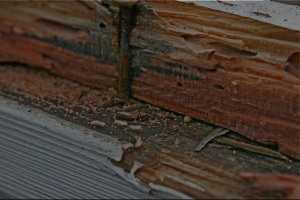
Wood Damage or Hollow Sounding Wood

Termites consume wood from the inside out.

Common signs include:

• Wood that sounds hollow when tapped
• Blistering or bubbling paint
• Soft door frames
• Warped baseboards

Because most Las Vegas homes are slab-on-grade, damage may occur behind drywall before it becomes visible.

Swarmers or Discarded Wings

In spring or after rainfall, termite colonies release winged swarmers to establish new colonies.

Homeowners may notice:

• Flying insects near windows
• Small piles of discarded wings
• Swarmers in garages or near light fixtures

Many people mistake termite swarmers for flying ants.

Cracks in Stucco That Hide Entry Points

Las Vegas homes commonly have stucco exteriors. While durable, stucco can conceal termite activity.

Cracks or improper sealing around:

• Windows
• Utility lines
• Foundation penetrations

Can allow hidden termite access without obvious exterior signs.

Do Home Inspections in Las Vegas Check for Termites?

A standard home inspection includes a visual inspection for signs of wood-destroying organisms, including termites. However:

• Inspectors do not open walls
• Inspectors cannot see inside slab foundations
• Active infestations may require a licensed pest professional

If visible evidence is found, we recommend a licensed termite inspection for confirmation and treatment evaluation.

At H2C Property Inspections, we carefully document visible signs and guide buyers or sellers on next steps.

Do You Need a Separate Termite Inspection in Clark County?

In many Las Vegas real estate transactions, lenders may require a separate Wood Destroying Organism (WDO) report.

This is especially common:

• With FHA loans
• With VA loans
• If visible damage is present
• If previous treatment is disclosed

Even when not required, many buyers choose to add a termite inspection for peace of mind.

How Termites Impact Real Estate Transactions in Las Vegas

Termites can significantly affect negotiations.

If active infestation is discovered:

• Treatment is usually required
• Repairs may need contractor evaluation
• Escrow timelines can be extended
• Price renegotiation often occurs

If previous damage is present but inactive:

• Buyers may request clearance documentation
• Structural evaluation may be recommended
• Insurance carriers may request proof of treatment

Sellers who proactively address termite issues before listing often avoid last-minute surprises.

What Does Termite Treatment Cost in Las Vegas?

Treatment costs vary depending on:

• Size of the home
• Extent of infestation
• Soil conditions
• Treatment method used

Common treatments include:

• Soil trenching and chemical barriers
• Baiting systems
• Spot treatments

Repair costs can increase significantly if damage is extensive.

Early detection through inspection helps minimize repair expenses.

How to Prevent Termites in Desert Homes

Prevention is especially important in Southern Nevada.

Homeowners should:

• Keep irrigation systems away from foundation walls
• Repair plumbing leaks promptly
• Maintain proper drainage away from slab
• Avoid wood-to-soil contact
• Seal cracks around foundation penetrations
• Store firewood away from the home

Routine inspections can identify risk factors before active infestation occurs.

Why Termites Are Often Overlooked in Las Vegas

Many homeowners believe termites only thrive in humid climates.

However:

• Irrigation creates artificial moisture
• Slab foundations hide entry points
• Stucco conceals damage
• Desert species work slowly and quietly

By the time visible damage appears, structural repairs may already be needed.

When Should You Schedule a Home Inspection in Las Vegas?

You should schedule an inspection:

• Before purchasing a home
• Before listing your property
• If you notice mud tubes or swarmers
• If your home is over 20 years old
• If neighbors report termite activity

Early evaluation prevents expensive surprises.

Why Choose H2C Property Inspections?

At H2C Property Inspections, we understand the unique environmental conditions of Las Vegas and Clark County.

We provide:

• Detailed same-day inspection reports
• Clear documentation with photos
• Honest evaluation of visible termite indicators
• Guidance on when additional WDO inspections are needed
• Local expertise specific to Southern Nevada construction

We don’t just check boxes — we help you understand what you’re buying or selling.

Book Your Home Inspection with Confidence

  • Whether you’re buying, selling, or investing, a professional home inspection provides peace of mind and the insights needed to make informed decisions.

    📞 Call H2C Property Inspections today (702) 768-9214 to schedule your residential inspection in Las Vegas or Clark County.

H2C is fantastic! Geoff and Steve are so easy to work with and very knowledgeable. I appreciate their timeliness and efforts. Highly recommend!

FAQ's

Our inspections cover all major systems and components, including the roof, foundation, HVAC, plumbing, electrical, interior, exterior, and more. You’ll receive a detailed report with photos and notes on any issues found. 

Most residential inspections take 2–3 hours, depending on the size and condition of the property. Commercial inspections may take longer and vary based on the scope.

It’s not required, but we recommend attending at least the final walkthrough. This allows us to explain findings and answer your questions in person.

Recent Work Gallery