Would This AC Survive August? HVAC Inspections in Las Vegas & Clark County Homes

Home Inspectors in Las Vegas
5.0 Customer Reviews!

Home Advisor

Would This AC Survive August? HVAC Inspections in Las Vegas & Clark County Homes

What Sellers and Investors Need to Know About HVAC Systems in Las Vegas Heat

Overview

In Las Vegas and throughout Clark County, your HVAC system isn’t just another home component—it’s a lifeline.

When temperatures climb well above 110°F during peak summer months, air conditioning systems are pushed to their limits. For sellers and investors, this creates both risk and opportunity. A failing HVAC system can quickly derail a sale, impact negotiations, or lead to costly repairs after closing.

At H2C Property Inspections, we frequently uncover HVAC issues that homeowners didn’t realize existed—until they were under contract.

In this guide, we’ll break down:

• Why HVAC systems fail faster in Las Vegas
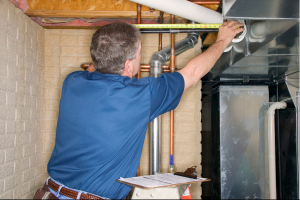
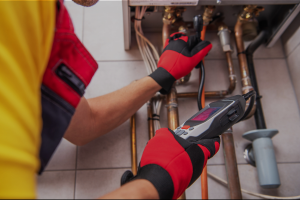
• What inspectors evaluate during an HVAC inspection
• Common AC problems found in Clark County homes
• How HVAC issues impact real estate transactions
• What sellers should do before listing
• What investors should look for before buying

Why HVAC Systems Fail Faster in Las Vegas

Las Vegas presents one of the harshest environments for HVAC systems in the country.

• Extreme Heat and Continuous Use

Air conditioning systems in Southern Nevada often run for months without a break.

• Units may operate 10–12+ hours per day
• Constant strain accelerates wear and tear
• Components degrade faster than in milder climates

Unlike other regions where systems cycle on and off, Las Vegas systems are often in near-constant operation during summer.

This continuous workload significantly shortens the lifespan of key components like compressors and capacitors.

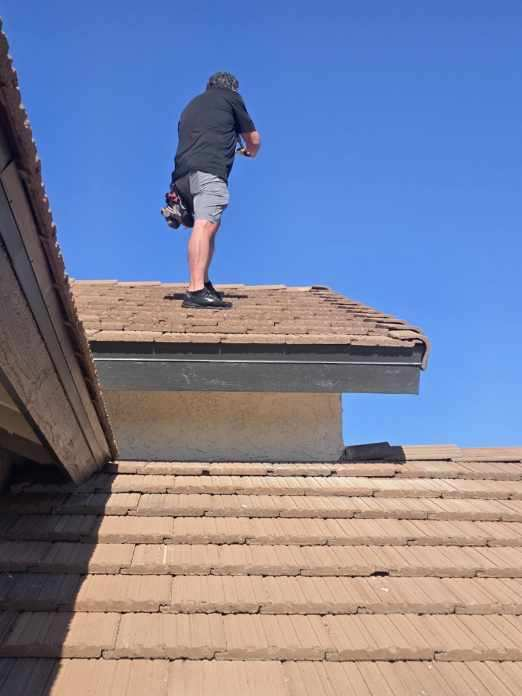
• Rooftop Installations

Many Las Vegas homes have rooftop HVAC units, which are directly exposed to:

• Intense sun exposure
• High ambient temperatures
• Wind and debris

Rooftop units can reach surface temperatures far beyond air temperature, increasing internal strain and reducing efficiency.

Over time, seals, wiring, and internal components deteriorate faster under these conditions.


• Dust, Debris, and Air Quality

The desert environment contributes to increased dust and airborne debris.

• Filters clog faster
• Coils accumulate dirt
• Airflow becomes restricted

Restricted airflow forces the system to work harder, increasing energy consumption and risk of failure.

Regular maintenance is critical, but often overlooked by homeowners.

What Inspectors Evaluate in an HVAC System

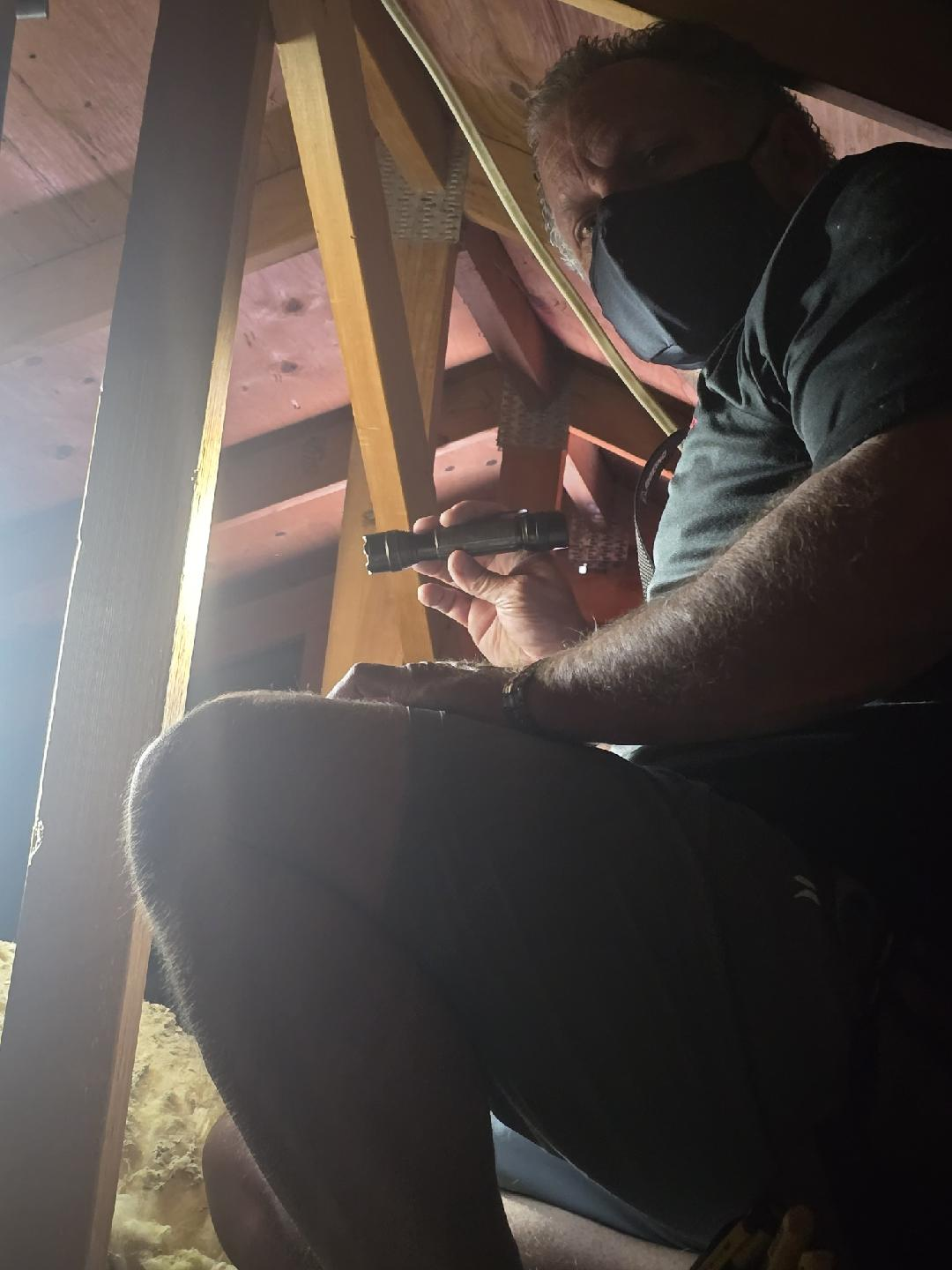
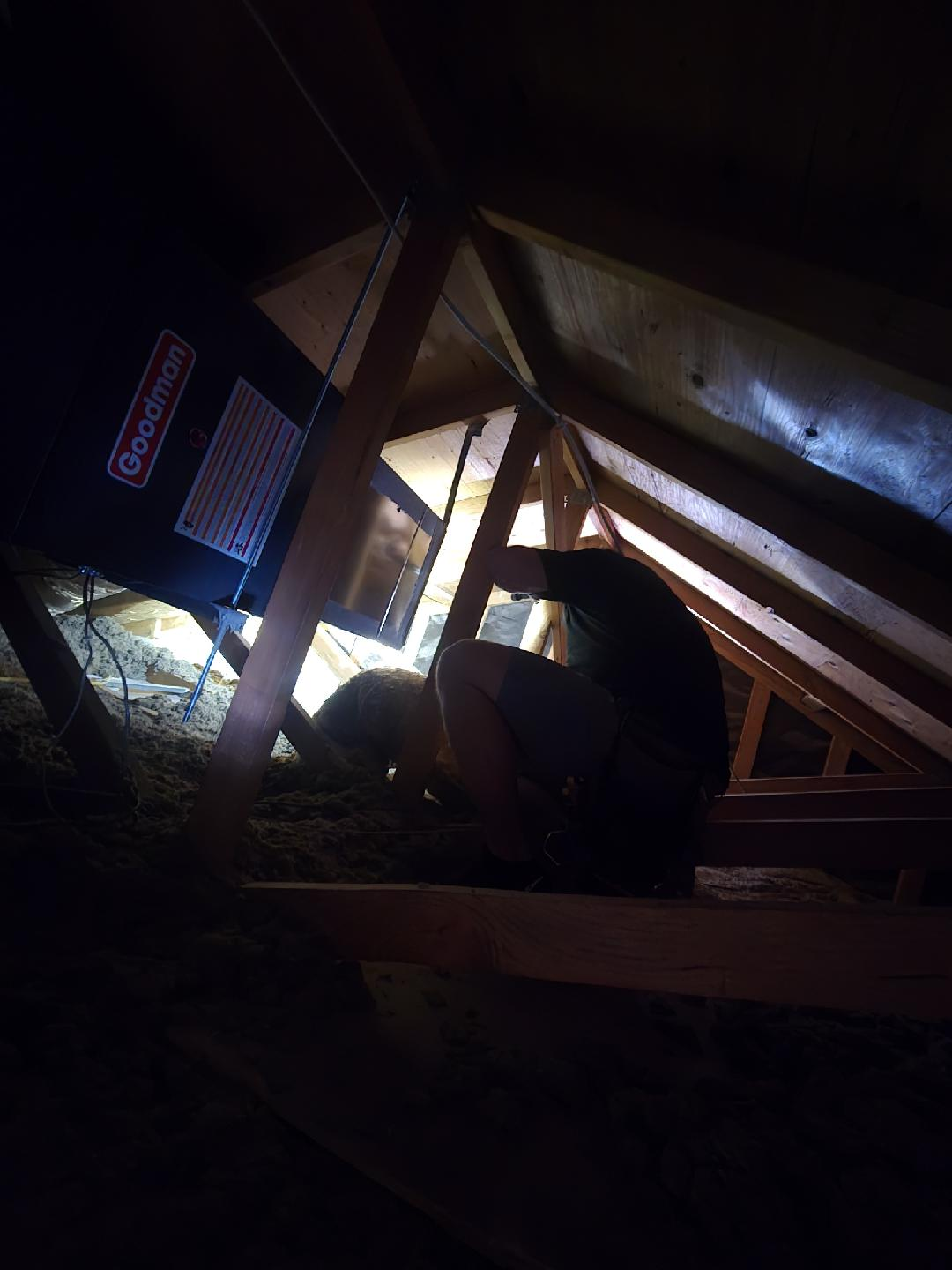
During a home inspection, HVAC systems are carefully evaluated for performance, safety, and overall condition.

• Cooling Performance

We assess whether the system is effectively cooling the home.

• Temperature differential between return and supply air
• System response to thermostat settings
• Signs of inadequate cooling

If the system struggles during moderate temperatures, it may not perform in extreme heat.


• Age of the System

HVAC systems in Las Vegas typically have shorter lifespans due to climate conditions.

• Average lifespan: 10–15 years
• Systems older than this may be near failure
• Older units may use outdated refrigerants

Age alone doesn’t determine failure—but it significantly increases risk.


• Visible Condition and Installation Quality

We look for:

• Rust or corrosion
• Improper installation
• Damaged ductwork
• Loose or disconnected components

Poor installation is a common issue—even in newer homes.

An improperly installed system can reduce efficiency and lead to premature failure.


• Airflow and Ventilation

Proper airflow is essential for system performance.

• Blocked or restricted vents
• Dirty filters
• Duct leaks

Airflow issues can cause uneven cooling and increase strain on the system.

Common HVAC Problems Found in Las Vegas Homes

Over the years, we’ve identified patterns of recurring HVAC issues in Clark County homes.

• Aging Units Near End of Life

One of the most common findings is older systems that are still functioning—but on borrowed time.

• Units may still cool but are inefficient
• Higher likelihood of sudden failure
• Replacement costs can exceed $8,000+

For sellers, this can become a negotiation point.

For investors, it must be factored into acquisition costs.


• Deferred Maintenance

Many homeowners underestimate the importance of routine HVAC maintenance.

• Dirty coils
• Clogged filters
• Lack of servicing

Deferred maintenance accelerates wear and can lead to breakdowns during peak summer months.


• Refrigerant Issues

Low refrigerant levels can indicate leaks or system inefficiency.

• Reduced cooling performance
• Increased energy costs
• Potential system damage

Refrigerant issues often require professional HVAC servicing.


• Electrical Component Failures

Extreme heat impacts electrical components such as:

• Capacitors
• Contactors
• Wiring connections

These components are critical for system operation and are common points of failure in Las Vegas.


• Ductwork Problems

Ductwork is often overlooked but plays a major role in system efficiency.

• Leaks in ducts
• Poor insulation
• Improper routing

Duct issues can significantly reduce cooling effectiveness—even if the unit itself is functioning.

How HVAC Issues Impact Sellers

For homeowners preparing to sell, HVAC condition can directly affect the outcome of a transaction.

• Inspection Findings Can Delay or Derail Sales

When HVAC issues are discovered during inspection:

• Buyers may request repairs
• Closing timelines may be extended
• Deals may fall through

A system that fails inspection can create uncertainty for buyers.


• Negotiation Leverage for Buyers

HVAC issues often become a key negotiation point.

• Buyers may request credits
• Price reductions may be required
• Sellers may need to replace the system

Proactive sellers who address issues early are in a stronger position.


• Pre-Listing Inspections Provide an Advantage

A pre-listing inspection allows sellers to:

• Identify issues before listing
• Make repairs on their terms
• Avoid surprises during escrow

This creates a smoother transaction and builds buyer confidence.

What Investors Should Look For

Investors purchasing in Las Vegas must pay close attention to HVAC systems.

• Factor HVAC Into Investment Costs

Even if the system appears functional:

• Consider age and condition
• Budget for potential replacement
• Evaluate energy efficiency

Ignoring HVAC costs can impact ROI.


• Rental Property Considerations

For rental properties:

• Reliable HVAC is essential for tenant satisfaction
• Emergency repairs can be costly
• Downtime during summer can impact occupancy

A proactive approach helps avoid unexpected expenses.


• Flipped Properties and HVAC Risks

In flipped homes, HVAC systems are sometimes overlooked.

• Cosmetic upgrades may hide underlying issues
• Older systems may not be replaced
• Improper repairs may be present

An inspection ensures you’re not inheriting hidden problems.

How to Extend the Life of Your HVAC System

Whether you’re selling or holding as an investment, proper maintenance is key.

• Regular Maintenance

• Annual professional servicing
• Filter replacements every 1–3 months
• Cleaning coils and components

Routine care improves efficiency and longevity.


• Improve Airflow

• Keep vents clear
• Seal duct leaks
• Ensure proper insulation

Better airflow reduces strain on the system.


• Monitor Performance

• Watch for inconsistent cooling
• Listen for unusual noises
• Address issues early

Small problems can quickly become major repairs in extreme heat.

Why Choose H2C Property Inspections?

At H2C Property Inspections, we understand the demands placed on HVAC systems in Las Vegas and Clark County.

We provide:

• Detailed same-day inspection reports
• Clear documentation with photos
• Honest evaluation of system condition
• Local expertise in desert climate impacts
• Guidance for both sellers and investors

Our goal is to provide clarity—so you can make informed decisions.

Book Your Home Inspection with Confidence

  • Whether you’re buying, selling, or investing, a professional home inspection provides peace of mind and the insights needed to make informed decisions.

    📞 Call H2C Property Inspections today (702) 768-9214 to schedule your residential inspection in Las Vegas or Clark County.

H2C is fantastic! Geoff and Steve are so easy to work with and very knowledgeable. I appreciate their timeliness and efforts. Highly recommend!

FAQ's

Our inspections cover all major systems and components, including the roof, foundation, HVAC, plumbing, electrical, interior, exterior, and more. You’ll receive a detailed report with photos and notes on any issues found. 

Most residential inspections take 2–3 hours, depending on the size and condition of the property. Commercial inspections may take longer and vary based on the scope.

It’s not required, but we recommend attending at least the final walkthrough. This allows us to explain findings and answer your questions in person.

Recent Work Gallery