Are Repairs Required After a Home Inspection in Las Vegas? What Buyers & Sellers Should Know

Home Inspectors in Las Vegas
5.0 Customer Reviews!

Home Advisor

Are Repairs Required After a Home Inspection in Las Vegas? | H2C Property Inspections

A home inspection provides information—not demands—but that information is powerful.

Overview

One of the most common misunderstandings in real estate transactions is the belief that a home inspection automatically requires repairs. In reality, a home inspection does not force a seller to fix anything. Instead, it provides a clear picture of a property’s condition at the time of the inspection.

In Las Vegas and Clark County, inspection reports play an important role in negotiations. Buyers use them to understand potential risks, while sellers use them to respond strategically. Knowing how inspection findings are handled can help both sides move through the process with less stress and fewer surprises.

In this guide, we’ll explain whether repairs are required after a home inspection, how reports are typically used in Southern Nevada real estate transactions, and what buyers and sellers should expect once the inspection is complete.

What a Home Inspection Is Designed to Do

A home inspection is a visual, non-invasive evaluation of a property’s major systems and components. Its purpose is informational, not corrective.

• Identify visible defects and concerns
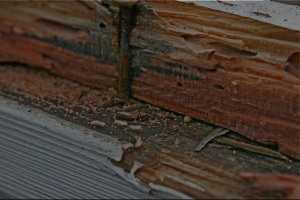
Inspectors document issues that are visible and accessible at the time of the inspection. These findings help buyers understand the current condition of the home.

• Highlight safety-related issues
Safety hazards are noted so buyers can make informed decisions. These may include electrical concerns, trip hazards, or missing safety features.

• Provide documentation for decision-making
Inspection reports offer written documentation that buyers, sellers, and agents can reference during negotiations. This clarity helps prevent misunderstandings later.

Are Sellers Required to Make Repairs After an Inspection?

In most cases, sellers are not legally required to make repairs following a home inspection. However, inspection findings often influence negotiations.

• Inspections do not mandate repairs
A home inspection report does not obligate a seller to fix identified issues. Instead, it presents factual information about the property.

• Repair decisions are negotiable
Buyers may request repairs, credits, or price adjustments. Sellers can agree, counter, or decline based on their priorities.

• Contract terms matter
Repair obligations depend on the purchase agreement. Therefore, buyers and sellers should review contract terms carefully with their agents.

How Buyers Typically Use Inspection Reports

For buyers, inspection reports serve as a valuable planning and negotiation tool.

• Requesting repairs
Some buyers ask sellers to address specific issues before closing. These requests often focus on safety concerns or significant defects.

• Negotiating credits or price adjustments
Instead of repairs, buyers may request a credit or price reduction. This allows them to handle repairs after closing.

• Deciding whether to proceed
In some cases, inspection findings influence a buyer’s decision to move forward. Knowing the home’s condition helps buyers assess risk.

How Sellers Can Respond to Inspection Findings

Sellers have several options once inspection results are shared.

• Agreeing to repairs
Some sellers choose to complete repairs to keep the transaction moving. This approach may appeal to buyers seeking peace of mind.

• Offering credits instead of repairs
Credits allow sellers to avoid managing repairs. At the same time, buyers gain flexibility in choosing contractors.

• Declining requests
Sellers are not required to agree to all repair requests. In competitive markets, sellers may choose to hold firm.

Common Repair-Related Negotiation Topics in Las Vegas

Certain issues frequently become part of post-inspection discussions in Southern Nevada.

• Roofing concerns
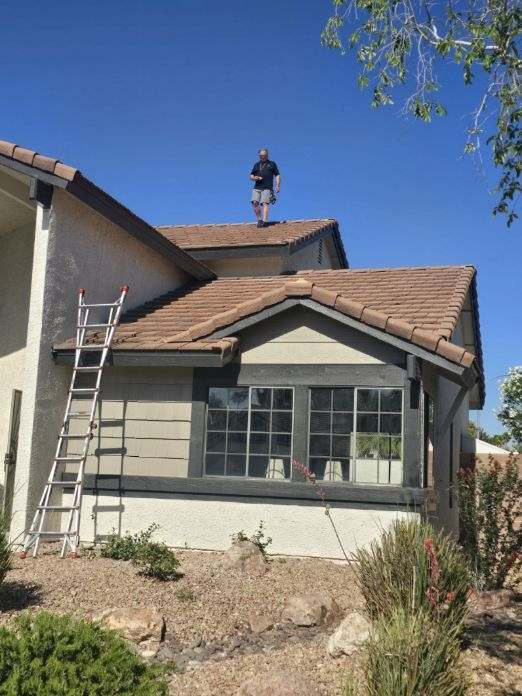
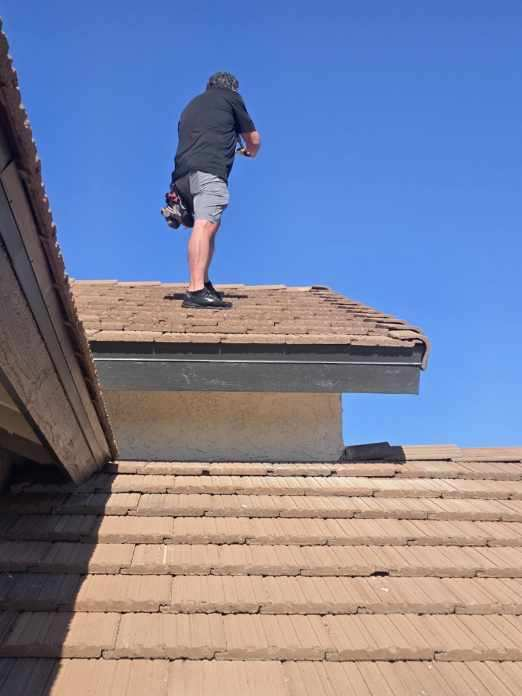
Roof wear from sun exposure often appears in inspection reports. Buyers may request repairs or credits depending on severity.

• HVAC system condition
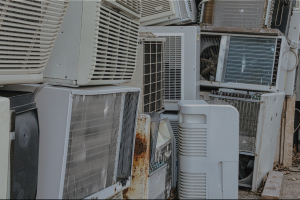
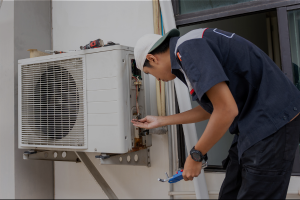
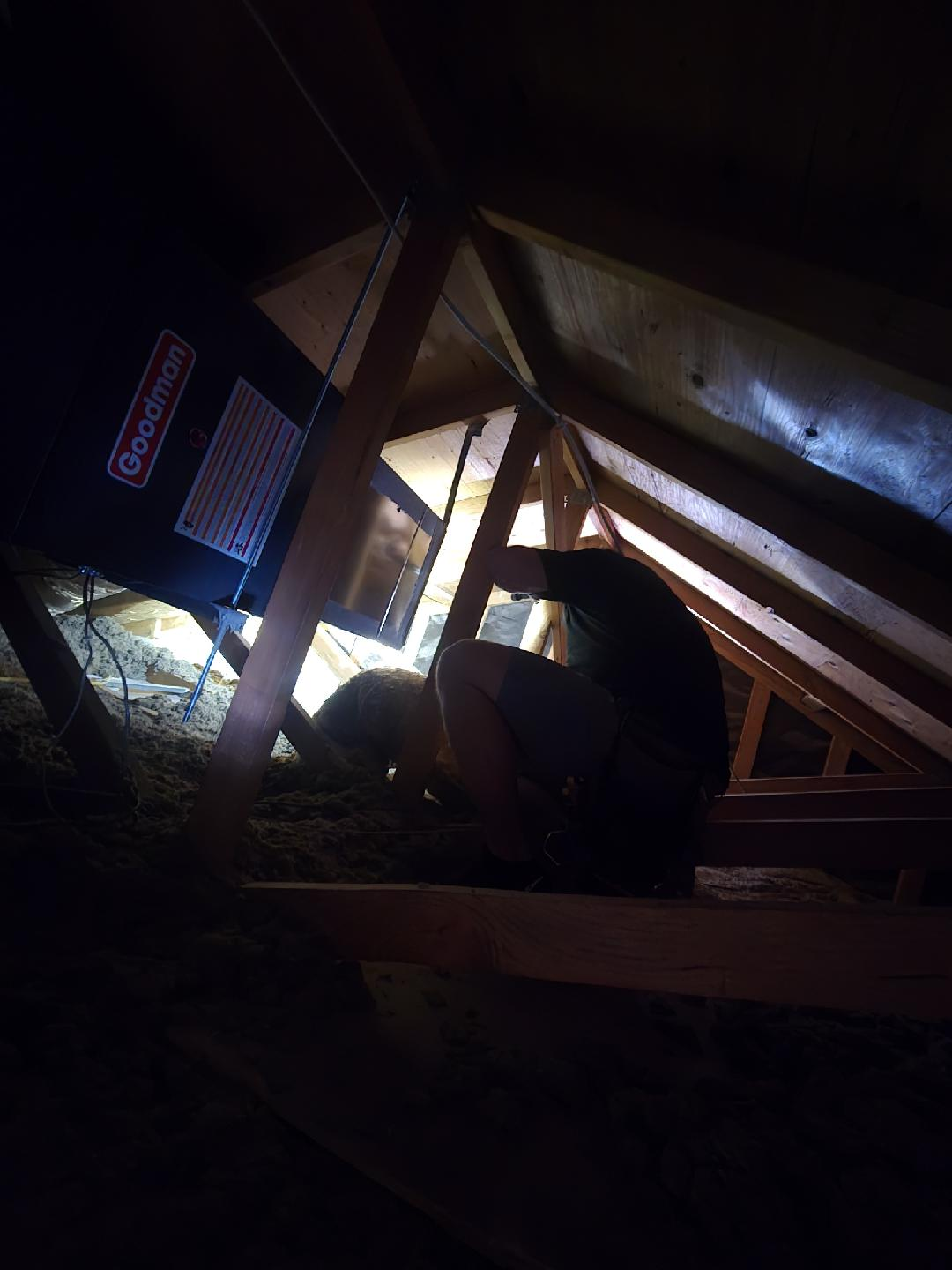
Because air conditioning is essential in Las Vegas, HVAC findings often carry significant weight during negotiations.

• Plumbing issues
Older plumbing materials or leaks may prompt repair discussions. In some cases, buyers seek professional evaluations.

• Safety-related defects
Issues involving safety often receive higher priority. Addressing these concerns can help transactions move forward smoothly.

What Buyers Should Keep in Mind

Inspection reports are valuable, but perspective matters.

• No home is perfect
Even well-maintained homes have inspection findings. Understanding which issues are significant helps buyers avoid unnecessary stress.

• Focus on major concerns
Structural, safety, and system-related issues typically deserve the most attention. Minor maintenance items may be expected.

• Work closely with your agent
Real estate agents help interpret reports and guide negotiations. Their experience can be invaluable during this stage.

What Sellers Should Keep in Mind

Preparation and communication can make a big difference for sellers.

• Pre-listing inspections can help
Pre-listing inspections allow sellers to identify issues early. This often reduces surprises once a buyer is under contract.

• Transparency builds trust
Clear communication about known issues helps prevent disputes. Buyers are more comfortable when expectations are clear.

• Not every request needs a “yes”
Sellers can negotiate strategically. Understanding which issues matter most to buyers helps guide responses.

The Role of a Clear and Detailed Inspection Report

The quality of the inspection report plays a major role in post-inspection discussions.

• Clear explanations reduce confusion
Well-written reports help buyers and sellers understand findings. This clarity leads to smoother negotiations.

• Photos provide context
Visual documentation supports written findings. As a result, clients can better assess the severity of issues.

• Local expertise matters
Inspectors familiar with Las Vegas homes understand regional challenges. This knowledge adds valuable context to reports.

Working with a local inspection company like H2C Property Inspections ensures reports are thorough, accurate, and tailored to Southern Nevada properties.

When Additional Inspections May Be Recommended

Sometimes, a general home inspection leads to further evaluations.

• Specialty inspections
Issues involving plumbing, roofing, or foundations may require licensed specialists.

• Sewer or pool inspections
Certain systems fall outside the scope of a standard inspection. Additional inspections provide deeper insight.

• Planning ahead
Knowing when further evaluation is recommended helps buyers make informed decisions.

Protect Your Property Today:

A home inspection in Las Vegas or Clark County does not require sellers to make repairs. Instead, it provides valuable information that buyers and sellers use to negotiate and plan next steps. Inspection findings help identify risks, clarify expectations, and support informed decision-making.

When handled properly, inspection reports contribute to smoother transactions and fewer surprises. Whether you’re buying or selling, understanding how inspections fit into the negotiation process allows you to move forward with confidence and clarity.

Book Your Home Inspection with Confidence

  • Whether you’re buying, selling, or investing, a professional home inspection provides peace of mind and the insights needed to make informed decisions.

    📞 Call H2C Property Inspections today (702) 768-9214 to schedule your residential inspection in Las Vegas or Clark County.

H2C is fantastic! Geoff and Steve are so easy to work with and very knowledgeable. I appreciate their timeliness and efforts. Highly recommend!

FAQ's

Our inspections cover all major systems and components, including the roof, foundation, HVAC, plumbing, electrical, interior, exterior, and more. You’ll receive a detailed report with photos and notes on any issues found. 

Most residential inspections take 2–3 hours, depending on the size and condition of the property. Commercial inspections may take longer and vary based on the scope.

It’s not required, but we recommend attending at least the final walkthrough. This allows us to explain findings and answer your questions in person.

Recent Work Gallery