Top 7 Issues Found in Multi-Unit Properties Across Clark County

Home Inspectors in Las Vegas
5.0 Customer Reviews!

Home Advisor

Top 7 Issues Found in Multi-Unit Properties Across Clark County

What landlords and investors need to know before costly problems multiply.

Overview

Owning or investing in multi-unit properties across Las Vegas and Clark County can be incredibly profitable—especially with strong rental demand, job growth, and constant relocation to the valley. But behind those steady rent checks, these properties often hide maintenance issues that can turn one repair into a major financial setback.

From plumbing leaks behind shared walls to electrical systems stretched beyond their capacity, a professional inspection is the smartest way to protect your investment. At H2C Property Inspections, we’ve seen it all—and we’re breaking down the seven most common problems found in multifamily and apartment buildings across Southern Nevada.

1. Plumbing Problems That Spread Fast

When one unit has a plumbing issue, chances are others do too. Multi-unit buildings often share plumbing lines, and one small leak can affect multiple tenants—or even the entire complex.

Common problems we find:

  • Hidden leaks behind shared walls or ceilings

  • Failing water heaters or corroded pipes

  • Low water pressure from scale buildup

  • Blocked main drains or improper slope in drainage systems

Why this matters:
A small leak can cause thousands in water damage if it goes unnoticed. In Las Vegas’s dry climate, many property owners don’t suspect moisture issues until they see visible damage—but by then, mold or structural decay may have already begun.

H2C Inspection Tip:
Schedule annual plumbing inspections for multi-unit properties, especially older buildings or those with galvanized or polybutylene piping. Detecting corrosion early can prevent a full re-pipe later.

2. Roof Deterioration and Water Intrusion

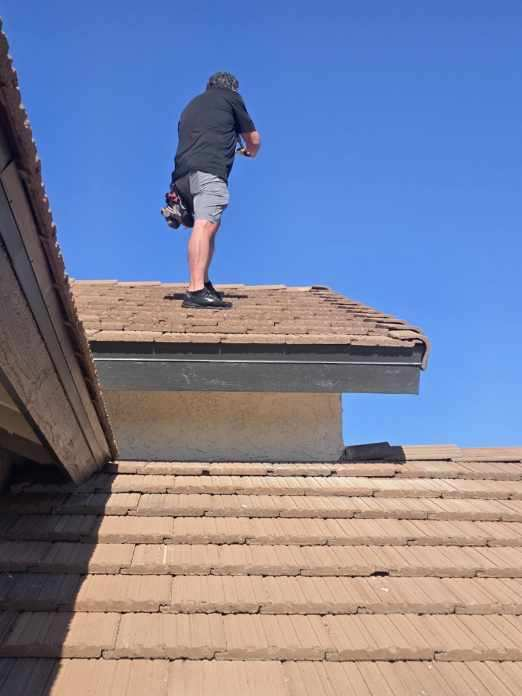
The intense desert sun is brutal on roofing materials. Multi-unit roofs—especially flat or low-slope styles—are particularly vulnerable to cracking, ponding water, and failing sealants.

Issues we frequently find during inspections:

  • Cracked membrane or blistering on flat roofs

  • Clogged drains that cause standing water

  • Damaged flashing and seams

  • Fungal growth or rot around roof penetrations

The danger:
Once a leak develops on a shared roof, it can affect multiple units, insulation, and even electrical systems below. Because Las Vegas receives limited rainfall, leaks may not appear until monsoon season—when it’s too late to prevent costly damage.

H2C Inspection Tip:
Have your roof professionally inspected twice a year—once before monsoon season and once afterward. Preventive maintenance and early detection save property owners thousands in emergency repairs and tenant disruptions.

3. Electrical System Overload

Multi-unit buildings often experience high electrical demand, especially during scorching summers when every tenant runs the air conditioning at full blast. Outdated or poorly maintained electrical systems can become overloaded, increasing the risk of fire and power failures.

Common findings:

  • Overloaded panels or double-tapped breakers

  • Loose or corroded connections

  • Unlabeled or outdated wiring not up to code

  • Insufficient grounding and bonding

Why it matters:
Electrical fires are one of the top causes of property loss in rental buildings. Tenants may also report frequent tripped breakers or flickering lights—early warning signs of a system under stress.

H2C Inspection Tip:
Include a comprehensive electrical inspection in your annual maintenance plan. H2C inspectors check every accessible outlet, breaker, and connection for safe operation and compliance with current Clark County codes.

4. HVAC Wear and Energy Inefficiency

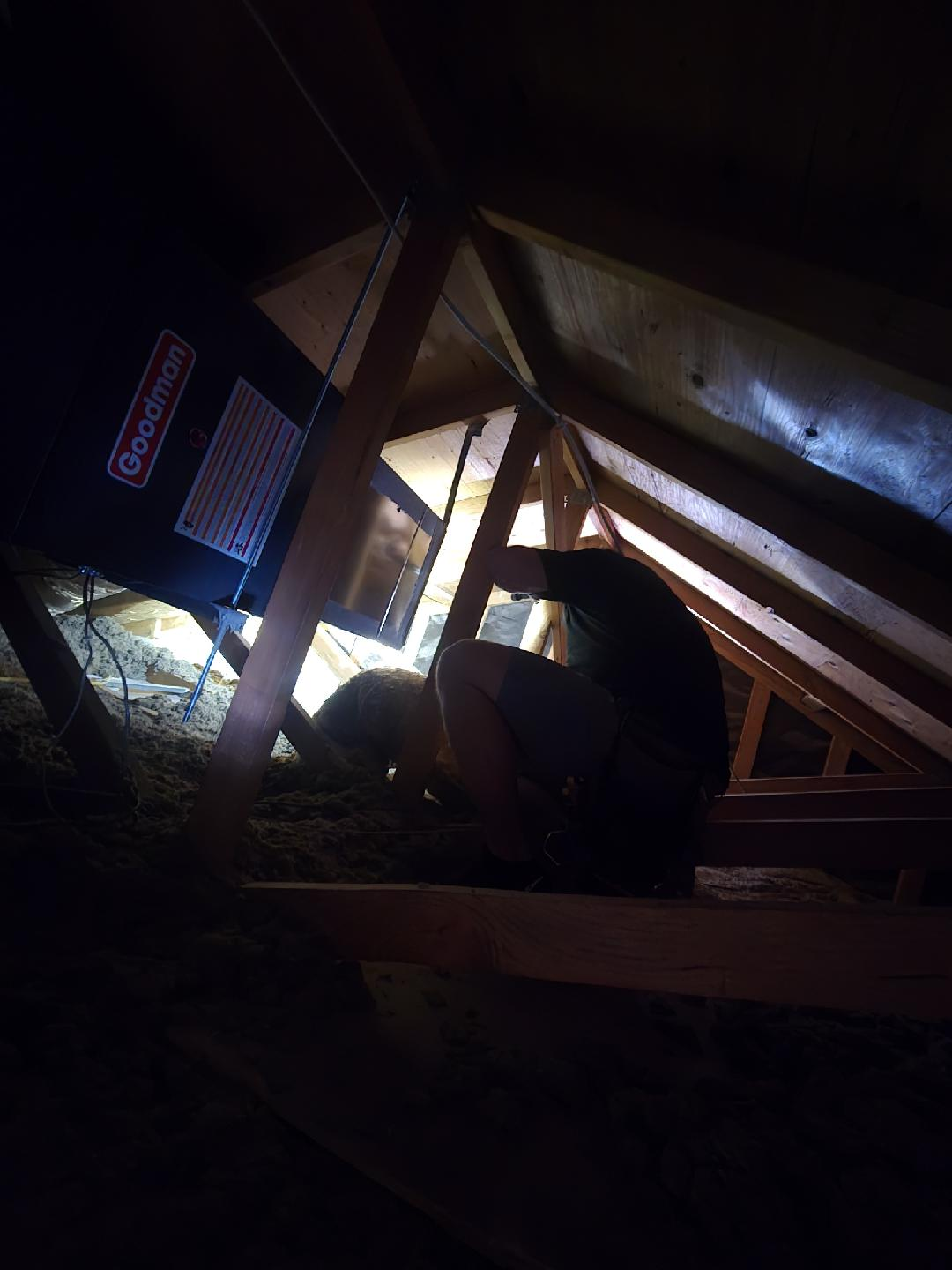
With Las Vegas temperatures often exceeding 110°F, HVAC systems in multi-unit buildings work harder than anywhere else in the country. Unfortunately, neglecting regular service can lead to system breakdowns, poor indoor air quality, and tenant complaints.

Typical problems we identify:

  • Blocked or dirty condenser coils

  • Damaged ductwork or insulation gaps

  • Clogged filters reducing airflow

  • Poorly calibrated thermostats or unbalanced cooling between units

Why this matters:
HVAC systems that run inefficiently not only drive up energy bills but can fail prematurely. Tenants are quick to report comfort issues—and HVAC replacements across multiple units can be one of the most expensive line items in property management.

H2C Inspection Tip:
Inspect HVAC units at least once a year before summer begins. Clean filters, verify proper refrigerant levels, and test thermostat accuracy. Preventive inspections ensure tenants stay cool while extending system lifespan.

5. Structural Movement and Foundation Issues

Las Vegas’s desert soil—composed largely of clay and sand—can expand, contract, and shift over time. This movement puts stress on foundations and walls, especially in multi-unit complexes where large slab foundations carry heavy loads.

Common structural concerns we see:

  • Foundation cracks or slab displacement

  • Uneven flooring or separation at walls and ceilings

  • Stair-step cracks in masonry

  • Doors and windows that stick or won’t close properly

Why it’s critical:
What starts as a small foundation shift can quickly turn into uneven flooring, cracked drywall, and compromised stability in connected units. These issues can lower property value and trigger tenant complaints or safety concerns.

H2C Inspection Tip:
Watch for early warning signs such as sloping floors, cracks wider than ⅛ inch, or doors that suddenly misalign. Regular inspections help track structural changes before they escalate into major repairs.

6. Safety and Code Compliance Violations

Older apartment buildings in Clark County often fail to meet updated building codes and safety standards. Missing handrails, outdated smoke detectors, or non-GFCI outlets may seem minor—but they can expose landlords to liability if an accident occurs.

Common code and safety issues found during inspections:

  • Missing carbon monoxide and smoke detectors

  • Loose balcony railings or deteriorated stairs

  • Outdated electrical panels (e.g., Federal Pacific or Zinsco)

  • Blocked fire exits or non-functional emergency lighting

Why it matters:
Code compliance protects your tenants—and your investment. Non-compliance can lead to fines, increased insurance costs, or worse, tenant injury lawsuits.

H2C Inspection Tip:
Schedule a safety and code compliance review annually. H2C inspectors stay current with local Clark County and Las Vegas code changes, ensuring your property meets today’s standards for occupancy and safety.

7. Deferred Maintenance and Poor Recordkeeping

One of the biggest issues we see in multi-unit properties isn’t a specific defect—it’s neglect. Deferred maintenance compounds problems over time, making them more expensive and disruptive later.

Examples include:

  • Ignoring small leaks that lead to major water damage

  • Failing to repaint or seal exterior surfaces

  • Skipping routine HVAC servicing

  • Allowing small electrical issues to persist until system failure

Why it matters:
Deferred maintenance directly affects your bottom line. It leads to higher turnover, shorter equipment lifespan, and reduced property value. Tenants notice when buildings are poorly maintained—and high tenant satisfaction is key to profitability.

H2C Inspection Tip:
Use inspection reports as a long-term maintenance roadmap. H2C’s same-day reports include detailed photos and prioritized repair recommendations so you can budget and schedule repairs efficiently.

Bonus: The Hidden ROI of Regular Inspections

While inspections identify issues, they also create opportunities for smarter property management. Investors who schedule regular inspections often experience:

  • Lower repair costs due to early detection

  • Longer asset lifespan for major systems and structures

  • Improved tenant retention through proactive maintenance

  • Higher resale value when selling or refinancing

A well-documented inspection history also strengthens your position during appraisals or insurance claims.

What Makes H2C Property Inspections Different

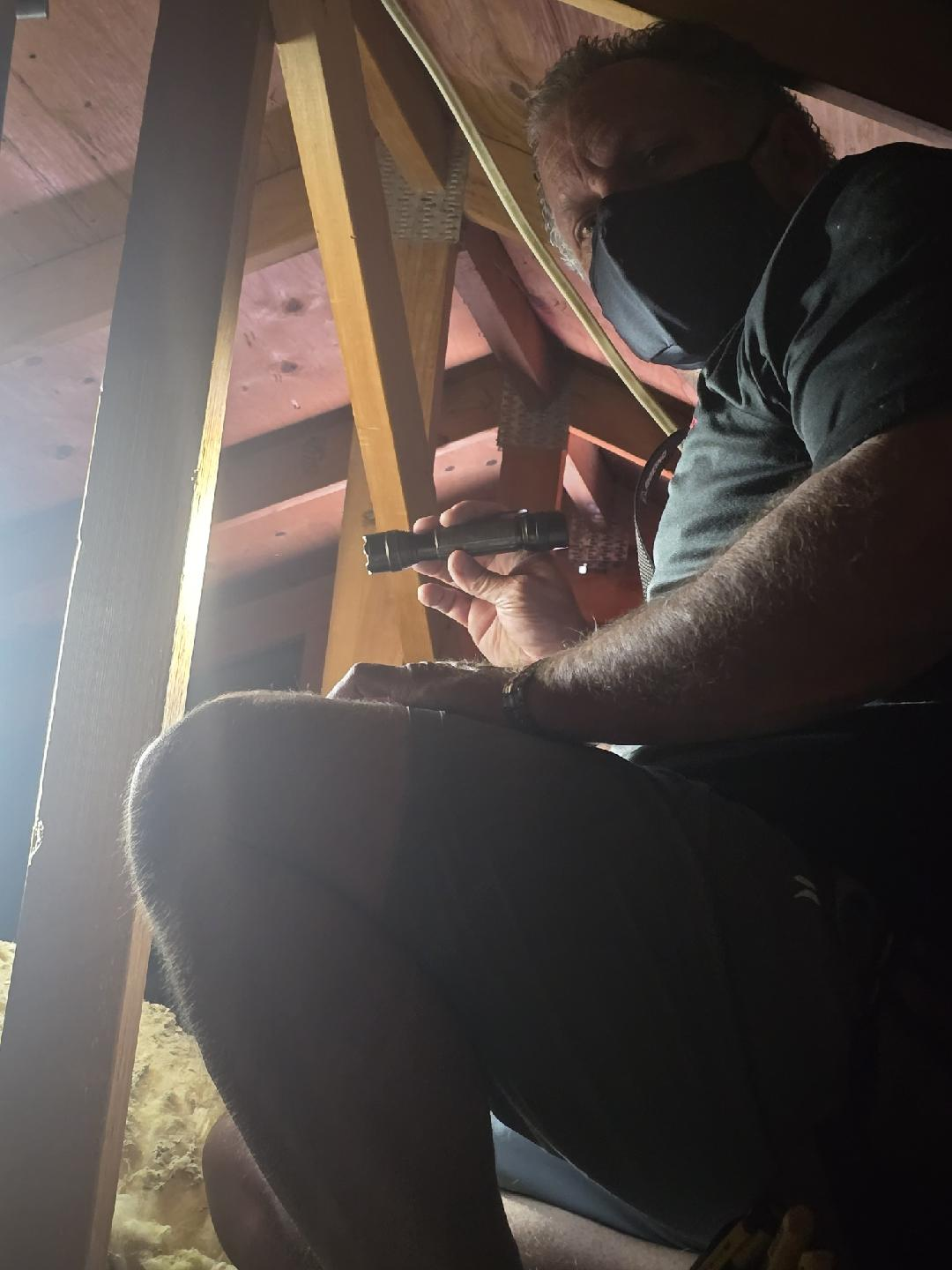
Not all inspection companies understand the unique challenges of Las Vegas’s climate and building styles. H2C Property Inspections combines deep local experience with advanced inspection technology to deliver clarity and confidence.

Our process includes:

  • Thorough inspection of all major systems—roof, foundation, HVAC, electrical, and plumbing

  • Detailed digital report with photos delivered the same day

  • Clear explanations of findings and repair priorities

  • Friendly, client-focused service for owners, investors, and property managers

Whether you own a duplex or a 50-unit complex, our goal is the same: protect your investment through accuracy, transparency, and local expertise.

Conclusion

Multi-unit properties require more than routine upkeep—they need proactive oversight to protect your tenants, cash flow, and long-term ROI. From plumbing and electrical systems to roof integrity and code compliance, regular inspections reveal the small issues that can quietly erode your profits.

If you own or manage apartments or multi-unit buildings in Las Vegas or Clark County, don’t wait until something breaks. Schedule a professional inspection with H2C Property Inspections and safeguard your investment today.

📞 Call H2C Property Inspections or visit h2cinspections.com to book your multi-unit property inspection.

Book Your Home Inspection with Confidence

  • Whether you’re buying, selling, or investing, a professional home inspection provides peace of mind and the insights needed to make informed decisions.

    📞 Call H2C Property Inspections today (702) 768-9214 to schedule your residential inspection in Las Vegas or Clark County.

H2C is fantastic! Geoff and Steve are so easy to work with and very knowledgeable. I appreciate their timeliness and efforts. Highly recommend!

FAQ's

Our inspections cover all major systems and components, including the roof, foundation, HVAC, plumbing, electrical, interior, exterior, and more. You’ll receive a detailed report with photos and notes on any issues found. 

Most residential inspections take 2–3 hours, depending on the size and condition of the property. Commercial inspections may take longer and vary based on the scope.

It’s not required, but we recommend attending at least the final walkthrough. This allows us to explain findings and answer your questions in person.

Recent Work Gallery