Water Damage and Mold in the Desert: What Las Vegas Homeowners Need to Know | H2C Property Inspections

Home Inspectors in Las Vegas
5.0 Customer Reviews!

Home Advisor

Water Damage and Mold in the Desert: What Las Vegas Homeowners Need to Know | H2C Property Inspections

Yes, even in the desert, water damage and mold can threaten your home. Here’s what Las Vegas and Clark County homeowners should watch for.

Overview

When you think of Las Vegas, water damage and mold probably aren’t the first things that come to mind. After all, we live in one of the driest regions in the United States. But despite the desert climate, homes in Las Vegas and Clark County face serious risks from hidden water damage and mold growth.

Monsoon rains, irrigation systems, roof leaks, plumbing failures, and even poor construction practices can all introduce moisture where it doesn’t belong. And once water finds its way in, the desert sun won’t magically make the problem go away — in fact, high heat often accelerates damage.

At H2C Property Inspections, we’ve seen firsthand how water and mold issues can sneak up on unsuspecting homeowners. This guide will walk you through the key things every Las Vegas homeowner should know about water damage and mold:

  • Common causes of water damage in desert homes

  • Why mold can still thrive in a dry climate

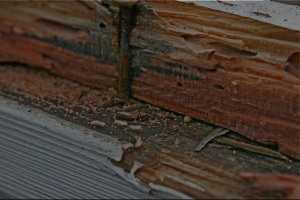
  • Hidden warning signs homeowners often miss

  • The long-term risks of ignoring water damage

  • Steps to prevent moisture issues in your home

  • How professional inspections can save thousands in repairs

Common Causes of Water Damage in Las Vegas Homes

  • Monsoon storms and flash flooding – While rain is infrequent, when it comes, it comes fast. Sudden downpours overwhelm flat roofs, gutters, and soil around the home, causing water intrusion. In Clark County, drainage systems often can’t handle heavy monsoon rains, leading to pooling water near homes.

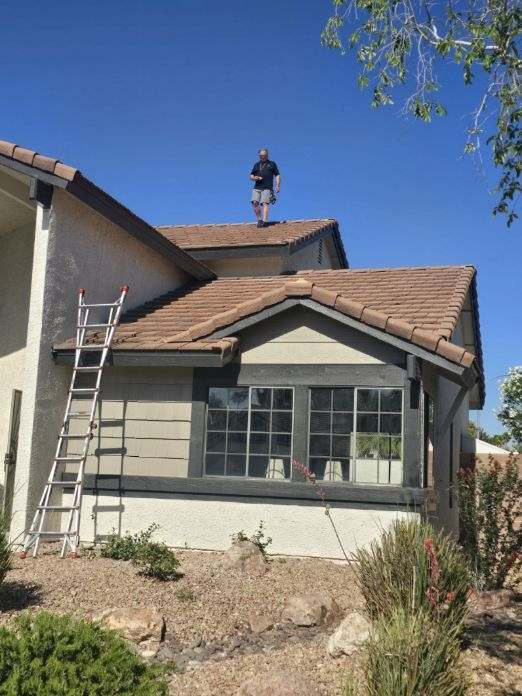
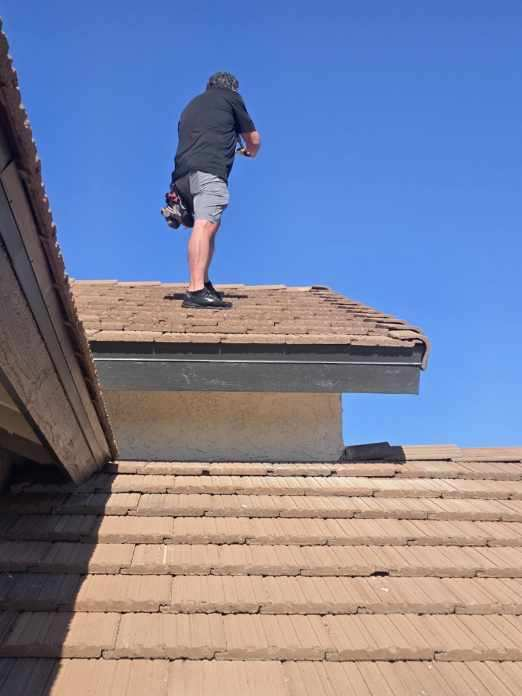
  • Roof leaks and compromised underlayment – The desert sun beats down on roofing materials year-round, drying and cracking them. This accelerates wear, especially on tile roofs where the underlayment is critical. Even one slipped tile can lead to water seeping in during storms.

  • Plumbing failures inside walls and under slabs – Older homes with galvanized or copper pipes are prone to leaks, and slab leaks can be especially damaging since they go undetected for months. Water under flooring or behind walls often isn’t discovered until serious damage has occurred.

  • Poor drainage around foundations – Many Las Vegas homes sit on expansive clay soils. If grading slopes toward the house, water collects at the foundation, seeping into cracks. Over time, this erodes soil support and causes structural shifts.

  • Irrigation overspray and landscaping issues – Sprinklers often hit stucco walls or foundations directly, saturating them day after day. This constant moisture creates the perfect condition for water intrusion and hidden mold growth.

Why Mold Can Still Thrive in a Desert Climate

It’s a common misconception that mold doesn’t exist in dry areas. In reality, mold doesn’t care about the climate outside — it only needs a damp environment inside.

  • Indoor moisture is trapped when leaks or plumbing issues occur.

  • High temperatures accelerate growth when combined with humidity.

  • Stucco and drywall absorb water and hold it long enough for mold to thrive.

  • Poor ventilation in bathrooms, kitchens, and laundry rooms allows moisture to linger.

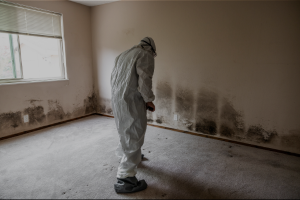
Mold spores are everywhere, even in the desert air. All they need is water and a food source (like drywall, wood, or carpet) to multiply. Once growth begins, mold can spread quickly in unseen areas like wall cavities, attics, or under flooring.

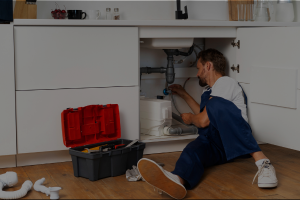
In Las Vegas, we often see mold in bathrooms without proper exhaust fans, laundry rooms where washers leak unnoticed, and kitchens where plumbing drips go unchecked. Even a tiny leak under a sink can create a colony in just a few days.

Hidden Warning Signs of Water Damage and Mold

Water damage isn’t always obvious. Here are the signs homeowners often miss:

  • Discoloration or staining on ceilings, walls, or baseboards

  • Warped or buckling flooring from hidden moisture

  • Musty odors that indicate mold growth behind surfaces

  • Peeling paint or bubbling drywall in affected areas

  • Efflorescence (white powder) on foundation walls or stucco

  • Unexplained allergy symptoms in family members

Each of these clues may seem minor at first, but they’re red flags for deeper issues. For example, a faint yellow stain on the ceiling could be the result of a roof leak that has been dripping for months. A musty smell in a closet could mean mold is growing behind drywall where an irrigation leak has soaked through the foundation wall.

The Long-Term Risks of Ignoring Water Damage

Putting off repairs doesn’t just save money in the short term — it usually multiplies costs later. Risks include:

  • Structural damage to foundations, framing, and drywall

  • Electrical hazards from water near wiring

  • Decreased property value when issues appear on inspection reports

  • Health risks from mold exposure, especially for children and seniors

  • Insurance complications if damage is deemed “neglect”

Foundation cracks from water erosion can cost tens of thousands to repair. Mold remediation can run into the thousands, depending on the size of the infestation. And health impacts from prolonged mold exposure — respiratory issues, asthma flare-ups, allergies — can affect a family’s quality of life.

Insurance companies may deny coverage if they believe damage resulted from poor maintenance, leaving homeowners to pay out of pocket.

Preventing Water and Mold Issues in Desert Homes

While not every problem can be avoided, smart homeowners can reduce risks significantly. Prevention strategies include:

  • Maintain your roof regularly (replace underlayment every 15–20 years)

  • Grade soil away from your foundation to improve drainage

  • Check irrigation systems for overspray and leaks

  • Use exhaust fans in bathrooms, kitchens, and laundry rooms

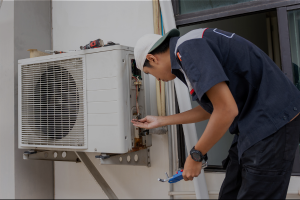
  • Schedule annual plumbing and HVAC checks

  • Consider annual or seasonal home inspections

Roof maintenance is especially critical in Las Vegas — tile roofs often hide damage under the surface. Proper grading and drainage prevent soil erosion and foundation settlement. And using bathroom exhaust fans isn’t just about odors — it’s one of the best defenses against interior mold growth.

How Professional Inspections Protect Homeowners

Even the most attentive homeowner can miss problems hidden in walls, under floors, or on the roof. That’s where a professional inspection makes all the difference.

At H2C Property Inspections, we:

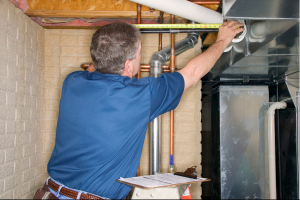
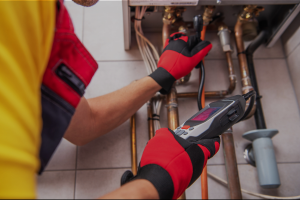
  • Use specialized tools to detect hidden moisture

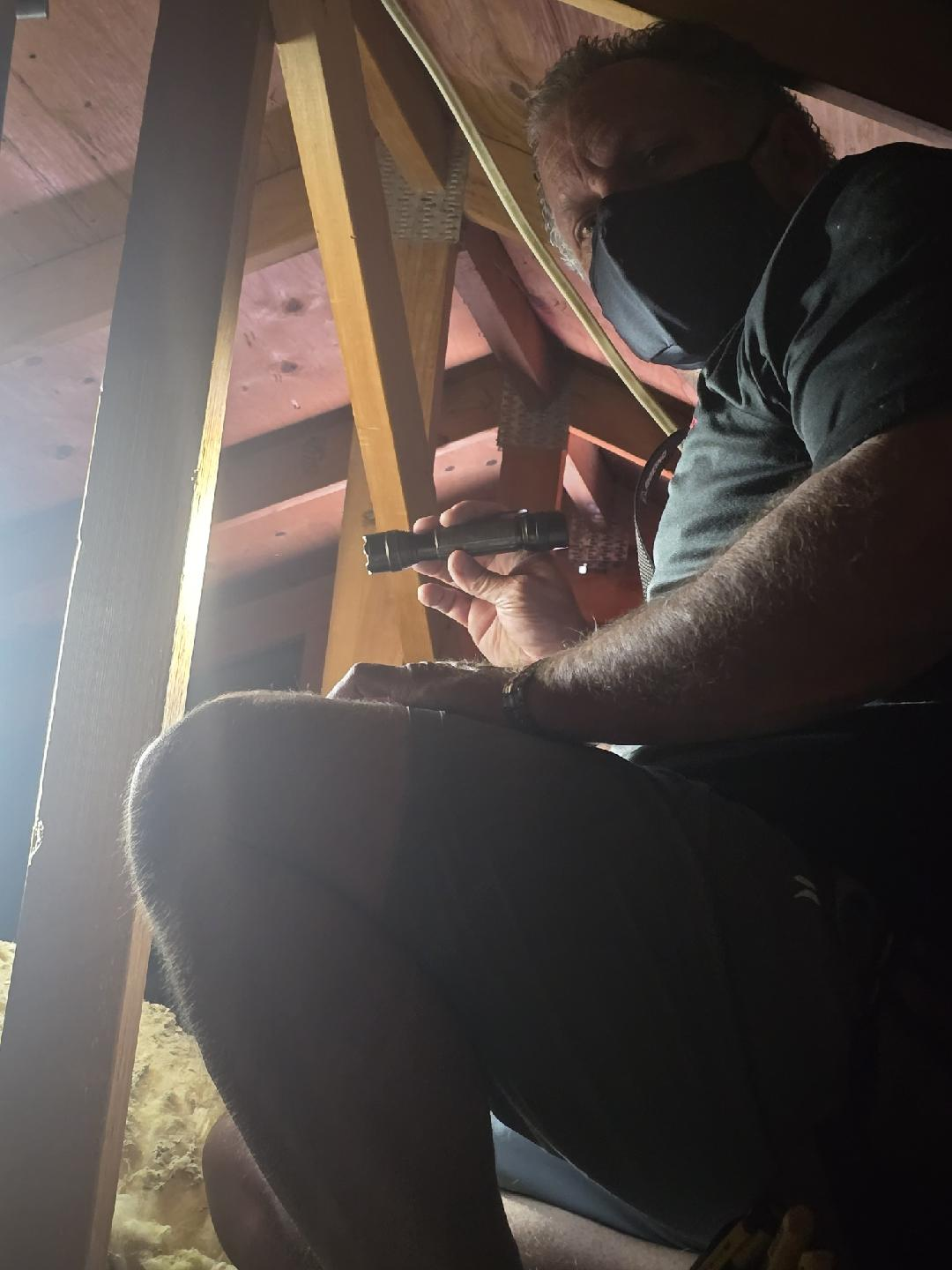
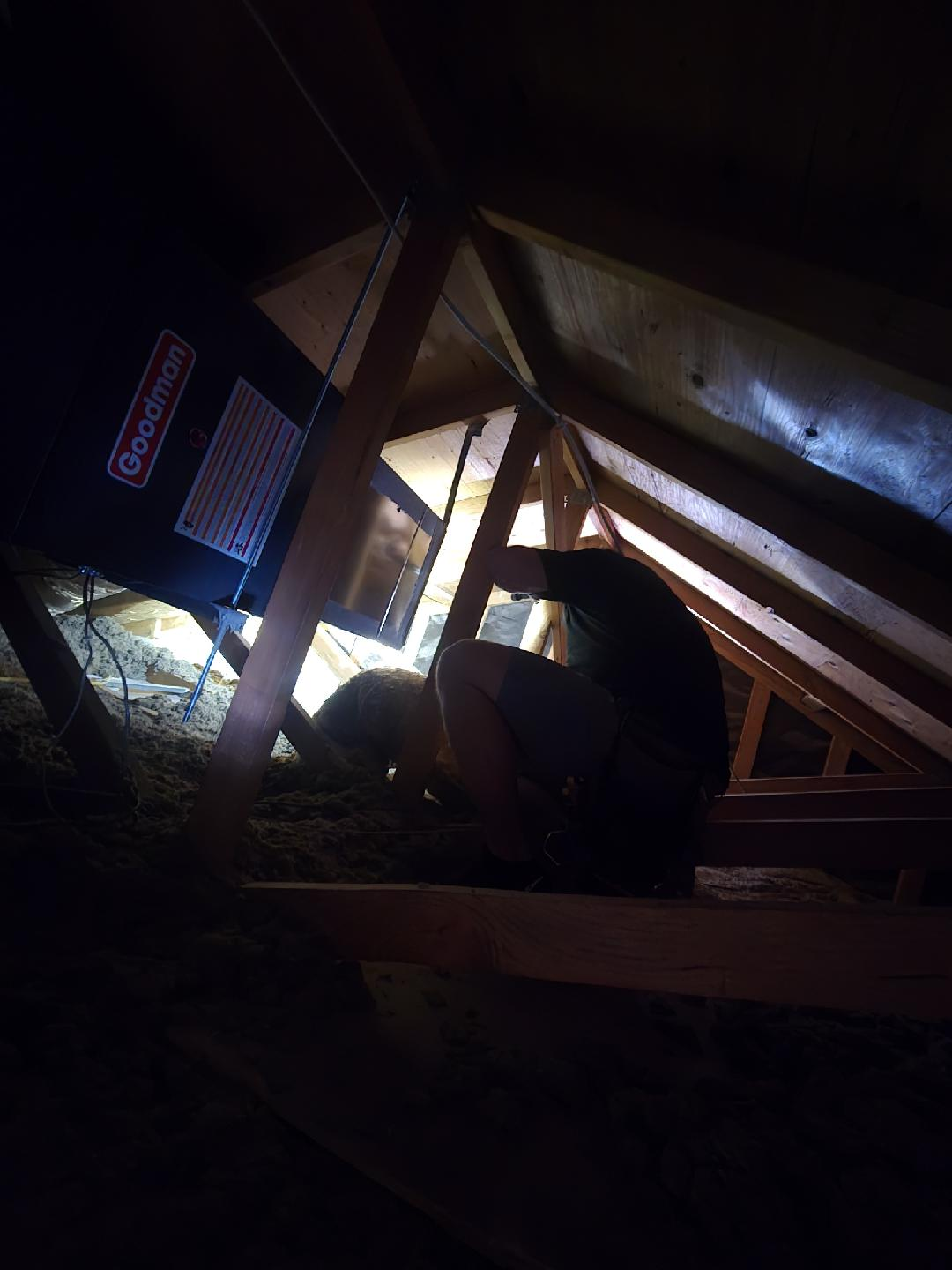
  • Check roofs, attics, crawlspaces, and foundations for signs of water intrusion

  • Identify ventilation and grading problems before they worsen

  • Provide same-day, detailed reports with photos so you know exactly what to address

Inspections give buyers, sellers, and current homeowners peace of mind — and can save thousands in unexpected repairs down the road.

Final Takeaway

Don’t be fooled by the desert climate. Las Vegas and Clark County homes are just as vulnerable to water damage and mold as homes in wetter states. The difference is that issues often go unnoticed longer here, leading to more costly repairs when they are finally discovered.

By understanding the risks, looking for warning signs, and scheduling regular inspections, you can protect your investment and your family’s health.

Book Your Home Inspection with Confidence

  • Whether you’re buying, selling, or investing, a professional home inspection provides peace of mind and the insights needed to make informed decisions.

    📞 Call H2C Property Inspections today (702) 768-9214 to schedule your residential inspection in Las Vegas or Clark County.

H2C is fantastic! Geoff and Steve are so easy to work with and very knowledgeable. I appreciate their timeliness and efforts. Highly recommend!

FAQ's

Our inspections cover all major systems and components, including the roof, foundation, HVAC, plumbing, electrical, interior, exterior, and more. You’ll receive a detailed report with photos and notes on any issues found. 

Most residential inspections take 2–3 hours, depending on the size and condition of the property. Commercial inspections may take longer and vary based on the scope.

It’s not required, but we recommend attending at least the final walkthrough. This allows us to explain findings and answer your questions in person.

Recent Work Gallery