
Kitec Plumbing in Las Vegas Homes: What Buyers and Sellers Need to Know

Home Inspectors in Las Vegas
5.0 Customer Reviews!

Home Advisor

Kitec Plumbing in Las Vegas Homes: What Buyers and Sellers Need to Know

A hidden plumbing issue that can derail a deal if you’re not prepared.

Overview

Many homeowners in Las Vegas and Clark County are unaware that their property may contain a plumbing system with a history of premature failure. Kitec plumbing, commonly installed in homes built between 1996 and 2006, was once marketed as an innovative alternative to traditional piping. At the time, it promised durability, flexibility, and resistance to corrosion.

However, years of real-world performance revealed serious flaws. Over time, Kitec plumbing systems have been linked to leaks, pipe failures, and costly water damage. Because these pipes are often hidden behind walls or above ceilings, problems may not become apparent until a home inspection is performed.

For buyers, the discovery of Kitec plumbing can raise concerns about future repairs, insurance coverage, and long-term reliability. For sellers, it can quickly become a major negotiation point. Understanding what Kitec plumbing is—and how it impacts Las Vegas homes—can help all parties avoid surprises during a real estate transaction.

What Is Kitec Plumbing?

Kitec plumbing is a type of flexible piping system that was widely installed in residential construction during the late 1990s and early 2000s. It consists of plastic pipes with an aluminum layer sandwiched between inner and outer plastic coatings.

• Why Kitec plumbing was popular
At the time, Kitec was seen as a modern solution. It was easy to install, flexible, and less expensive than copper. Because of this, many builders adopted it quickly, especially during periods of rapid development in Las Vegas.

• Where Kitec is typically found
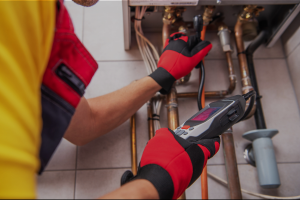
Kitec piping is often located behind walls, above ceilings, and near water heaters. In many Las Vegas homes, it may also be visible under sinks or in utility rooms. However, large portions of the system are usually concealed.

Why Kitec Plumbing Fails

Despite its early popularity, Kitec plumbing has proven to be unreliable over time. Several factors contribute to its failure.

• Chemical breakdown of the pipe material
The plastic components of Kitec piping can degrade when exposed to hot water and certain water chemistry conditions. As a result, pipes may become brittle or weak without visible warning signs.

• Aluminum layer corrosion
The aluminum layer inside the pipe is prone to corrosion. Over time, this corrosion can cause the pipe to narrow or fail completely. Consequently, water pressure issues or sudden leaks may occur.

• Increased pressure and fitting failures
Kitec systems are known for fitting failures. In many cases, leaks develop at connections rather than along the pipe itself. Because of this, failures may happen suddenly and cause significant water damage.

Why Kitec Plumbing Is a Concern in Las Vegas Homes

Las Vegas presents conditions that can accelerate Kitec plumbing issues. Hot water usage, mineral content, and climate-related factors all play a role.

• High water temperatures
Hot water systems place additional stress on Kitec pipes. Over time, elevated temperatures can speed up material degradation, increasing the risk of failure.

• Hard water conditions
Southern Nevada is known for hard water. Mineral buildup can contribute to internal pipe deterioration. As a result, Kitec systems may fail sooner than expected.

• Hidden nature of the system
Because Kitec plumbing is largely concealed, leaks may go undetected for long periods. By the time damage becomes visible, repairs can be extensive and costly.

How Home Inspectors Identify Kitec Plumbing

During a home inspection, inspectors look for visible indicators that suggest the presence of Kitec plumbing. However, inspections remain visual and non-invasive.

• Color-coded piping
Kitec pipes are often blue or orange. When visible near water heaters or under sinks, these colors can be a strong indicator of the system.

• Markings on exposed pipes
Inspectors look for labeling or manufacturer markings that identify Kitec materials. In many cases, this information helps confirm the type of plumbing present.

• Limitations of a visual inspection
It’s important to note that inspectors cannot see plumbing hidden behind walls. Therefore, the absence of visible Kitec piping does not always guarantee it isn’t present elsewhere in the home.

What Kitec Plumbing Means for Buyers

For buyers, discovering Kitec plumbing can influence both decision-making and negotiations.

• Insurance considerations
Some insurance providers may limit coverage or require replacement of Kitec plumbing. Because of this, buyers should confirm insurance options early in the process.

• Repair and replacement costs
Replacing Kitec plumbing can be expensive. Knowing this upfront allows buyers to budget accordingly or negotiate repair credits.

• Negotiation leverage
Inspection findings related to Kitec plumbing often become part of repair discussions. In many cases, buyers use the information to request concessions or price adjustments.

What Kitec Plumbing Means for Sellers

Sellers also need to understand how Kitec plumbing can impact a transaction.

• Disclosure obligations
If Kitec plumbing is known or discovered, sellers may be required to disclose it. Transparency helps prevent issues later in escrow.

• Pre-listing inspections
Many sellers choose pre-listing inspections to identify Kitec plumbing early. This approach allows time to plan repairs or adjust pricing strategies.

• Avoiding last-minute surprises
When Kitec plumbing is discovered late in the transaction, deals can stall or fall apart. Early awareness helps keep transactions moving smoothly.

Should Kitec Plumbing Always Be Replaced?

Replacement decisions depend on several factors. While some systems may still function, the risk of sudden failure remains.

• Risk versus remaining lifespan
Because failures are unpredictable, many homeowners choose proactive replacement. This reduces the risk of water damage and future disruptions.

• Consulting licensed professionals
A qualified plumber can provide guidance on replacement options and costs. In many cases, professional evaluation helps homeowners make informed decisions.

The Role of a Local Home Inspection Company

Local experience matters when identifying and explaining Kitec plumbing concerns. Inspectors familiar with Las Vegas construction trends know where to look and how to communicate findings clearly.

Working with an experienced local inspection company like H2C Property Inspections ensures buyers and sellers receive accurate, region-specific insights. Clear documentation helps all parties understand the scope and implications of the issue.

Protect Your Property Today:

Kitec plumbing remains a significant concern in many Las Vegas and Clark County homes built between 1996 and 2006. While it was once considered a reliable solution, years of failures have shown otherwise. Because the system is often hidden, home inspections play a critical role in identifying potential risks.

For buyers, early detection helps avoid unexpected repair costs and insurance challenges. For sellers, transparency and preparation can prevent delays and renegotiations. Ultimately, understanding Kitec plumbing allows everyone involved in the transaction to move forward with confidence and clarity.

Book Your Home Inspection with Confidence

  • Whether you’re buying, selling, or investing, a professional home inspection provides peace of mind and the insights needed to make informed decisions.

    📞 Call H2C Property Inspections today (702) 768-9214 to schedule your residential inspection in Las Vegas or Clark County.

H2C is fantastic! Geoff and Steve are so easy to work with and very knowledgeable. I appreciate their timeliness and efforts. Highly recommend!

FAQ's

Our inspections cover all major systems and components, including the roof, foundation, HVAC, plumbing, electrical, interior, exterior, and more. You’ll receive a detailed report with photos and notes on any issues found. 

Most residential inspections take 2–3 hours, depending on the size and condition of the property. Commercial inspections may take longer and vary based on the scope.

It’s not required, but we recommend attending at least the final walkthrough. This allows us to explain findings and answer your questions in person.

Recent Work Gallery