What Does a Home Inspection Cover in Las Vegas & Clark County?

Home Inspectors in Las Vegas
5.0 Customer Reviews!

Home Advisor

What Does a Home Inspection Cover in Las Vegas & Clark County? A Complete Local Guide

A local breakdown of what’s inspected—and why desert homes require a trained eye.

Overview

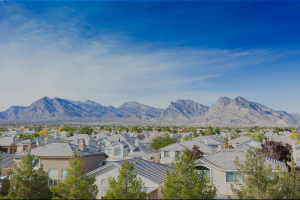
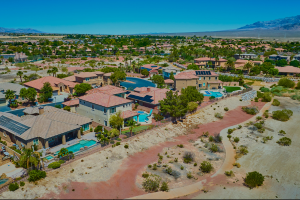
Buying or selling a home in Las Vegas or Clark County comes with unique considerations that many out-of-state buyers—and even longtime residents—don’t always expect. The desert climate, expansive soils, intense heat, and local building standards all play a role in how homes age and perform over time. That’s why a home inspection in Southern Nevada isn’t just a formality—it’s a critical step in understanding the true condition of a property.

A professional home inspection provides a visual, non-invasive evaluation of a home’s major systems, including structure, roofing, electrical, plumbing, HVAC, and safety components. While the process follows national inspection standards, local experience matters. Homes in Las Vegas and Clark County are prone to specific issues such as foundation movement, roof wear from UV exposure, ventilation problems, and aging mechanical systems pushed to their limits by extreme temperatures.

In this guide, we’ll walk through exactly what a home inspection covers in Las Vegas and Clark County, what inspectors are looking for in each area of the home, and why these findings are so important for buyers, sellers, investors, and real estate agents navigating today’s market.

Structural & Foundation Inspection

The foundation and structure of a home are among the most important components inspected, especially in Southern Nevada where soil conditions and climate can impact long-term stability.

• Foundation cracks and settlement
Inspectors look for visible cracks in slab foundations, stem walls, and interior surfaces. In Las Vegas and Clark County, expansive desert soils can shift as moisture levels change, leading to cracking or settlement over time. While not all cracks indicate a serious structural issue, their size, location, and pattern help determine whether further evaluation is recommended.

• Sloping or uneven floors
Uneven flooring can be a sign of foundation movement, framing issues, or long-term settlement. Inspectors check for noticeable slopes or dips that may suggest structural stress, particularly in older homes or properties built on challenging soil conditions.

• Visible framing and load-bearing components
Where accessible, inspectors evaluate exposed framing in garages, crawlspaces, or attics. This helps identify improper modifications, damaged supports, or structural alterations that may compromise the home’s integrity.

Roofing & Attic Systems

Roofing systems in Las Vegas endure intense sun exposure, extreme heat, and occasional high winds, making them a critical focus during inspections.

• Roof covering condition
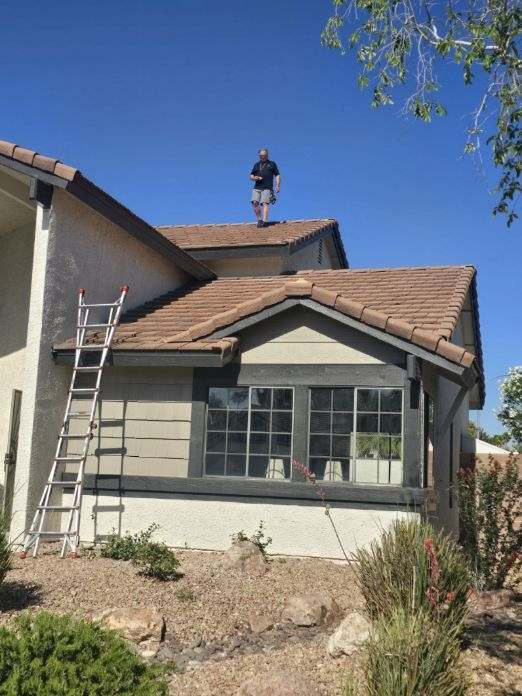
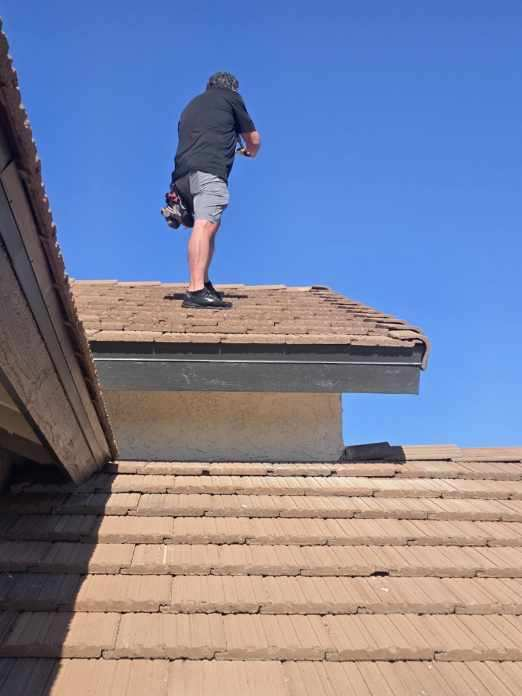
Inspectors evaluate the condition of roofing materials, looking for cracked tiles, worn shingles, improper repairs, or signs of water intrusion. Constant UV exposure in the desert can accelerate material breakdown, even on roofs that appear visually intact from the ground.

• Attic ventilation
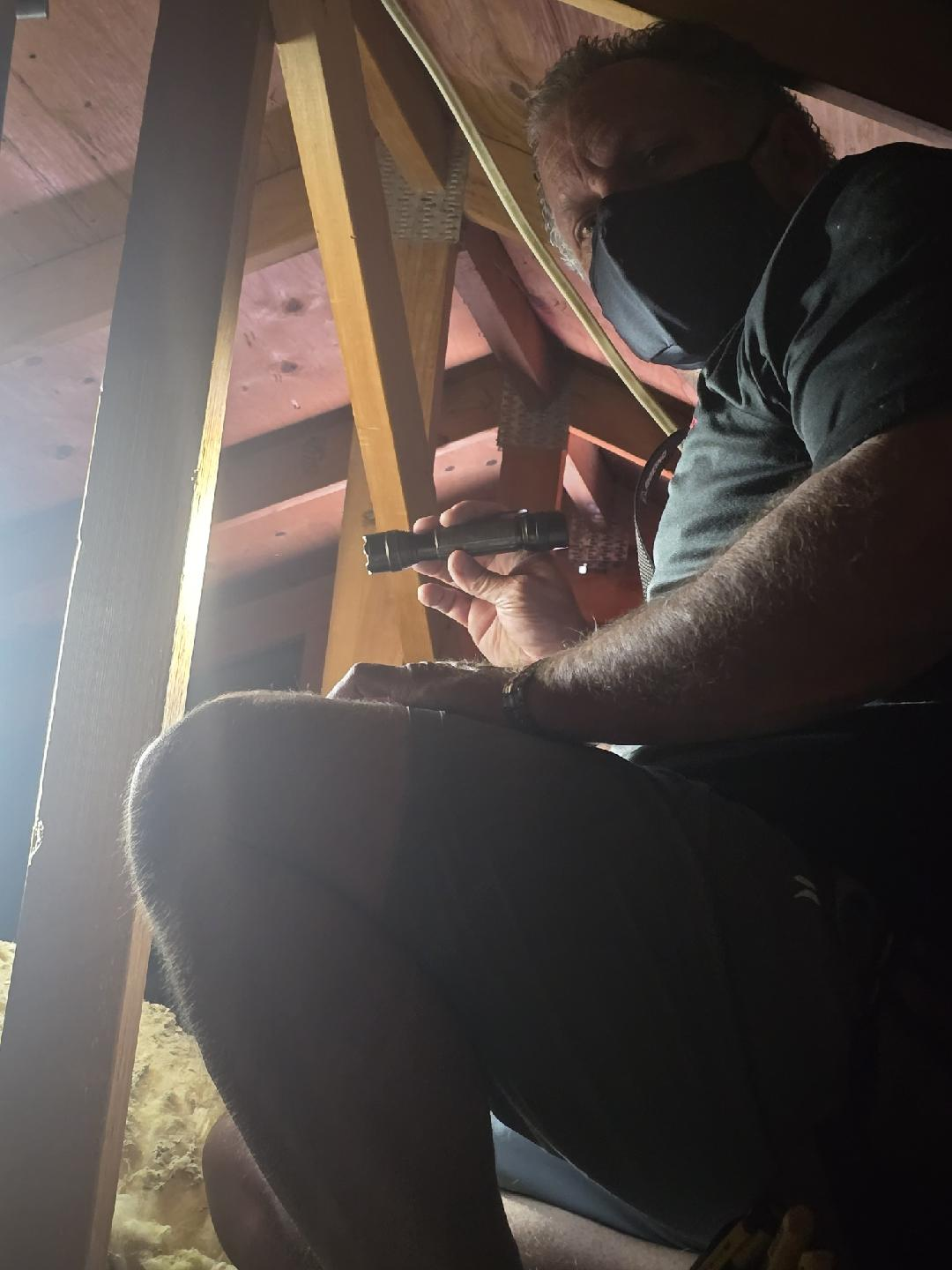
Proper attic ventilation is essential in Las Vegas homes to prevent excessive heat buildup. Poor ventilation can shorten the life of roofing materials, strain HVAC systems, and increase energy costs. Inspectors check vents, airflow paths, and attic conditions to identify potential issues.

• Insulation levels
Insulation plays a major role in energy efficiency, especially in extreme climates. Inspectors assess visible insulation to determine whether it meets general standards and helps maintain comfortable indoor temperatures during hot summers and cooler winter nights.

Electrical & Plumbing Systems

Electrical and plumbing systems are evaluated for safety, functionality, and visible defects that could lead to costly repairs if left unaddressed.

• Electrical panels and wiring
Inspectors examine the electrical panel for proper installation, labeling, and capacity. They also look for outdated components, improper wiring, or safety concerns that could pose fire or shock risks.

• Water heater age and installation
Water heaters are checked for age, proper installation, and visible signs of leakage or corrosion. In many Las Vegas homes, water heaters are nearing the end of their typical lifespan, which can be important information for buyers planning future expenses.

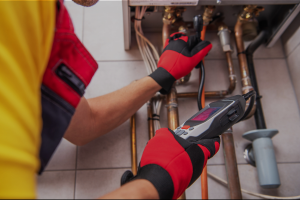
• Visible plumbing leaks
Inspectors look for leaks at fixtures, under sinks, and around exposed piping. Even small leaks can indicate larger underlying issues or contribute to water damage over time, especially in homes with older plumbing materials.

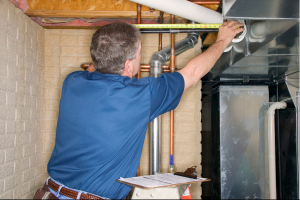
HVAC Systems

Heating and cooling systems are essential in Southern Nevada, where air conditioning is not a luxury—it’s a necessity.

• Heating and cooling functionality
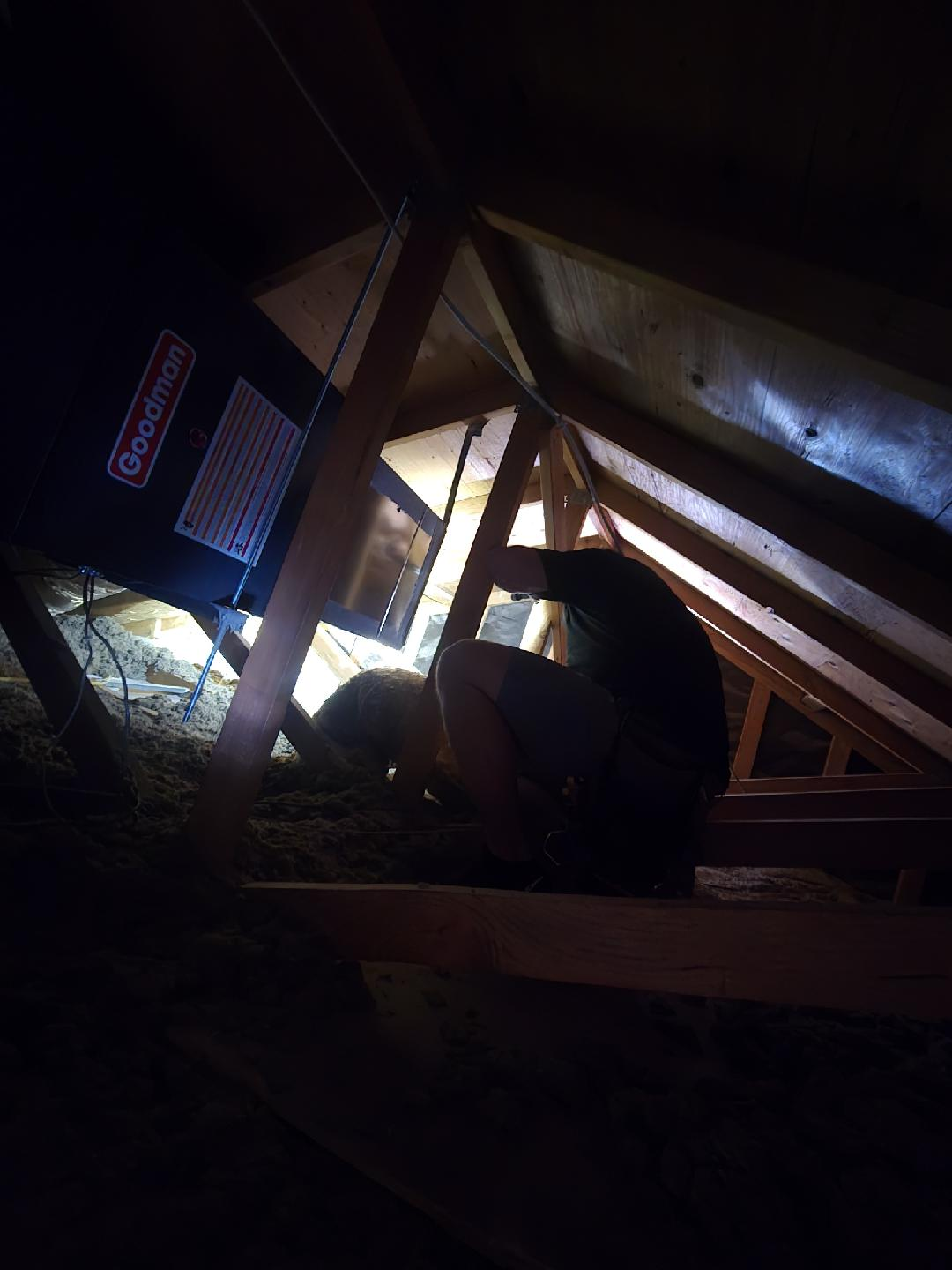
Inspectors test HVAC systems to verify basic operation at the time of inspection. This includes checking that systems respond properly and distribute air as intended.

• System age and maintenance indicators
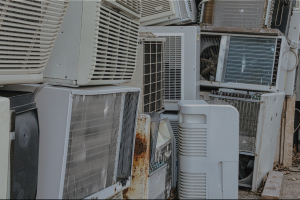
The age of HVAC units is noted, along with visible signs of wear or lack of maintenance. Older or poorly maintained systems may still function but could be nearing replacement, which is valuable information for buyers and investors.

Safety Hazards

Safety components are evaluated to help reduce risks to occupants and ensure the home meets basic safety expectations.

• Stairways and handrails
Inspectors check stairs, railings, and walking surfaces for stability and proper installation to reduce fall hazards.

• Fire safety components
Smoke detectors, carbon monoxide detectors, and other visible safety features are checked for presence and basic functionality where applicable.

• Egress doors and exits
Properly functioning exit doors are essential for safety. Inspectors ensure doors open, close, and latch correctly and provide safe means of exit.

What a Home Inspection Does Not Include

While a home inspection is thorough, it is also non-invasive and visual in nature. Inspectors do not open walls, move heavy furniture, or perform destructive testing. Certain systems—such as sewer lines, pools, or specialty components—may require additional inspections depending on the property.

Protect Your Property Today:

A home inspection in Las Vegas and Clark County provides valuable insight into a property’s condition, highlighting potential concerns before they become costly surprises. From foundation movement and roof wear to HVAC performance and safety hazards, a detailed inspection helps buyers, sellers, and investors make informed decisions with confidence. Understanding what’s inspected—and why it matters locally—ensures you’re better prepared for the realities of owning or selling a home in Southern Nevada.

Book Your Home Inspection with Confidence

  • Whether you’re buying, selling, or investing, a professional home inspection provides peace of mind and the insights needed to make informed decisions.

    📞 Call H2C Property Inspections today (702) 768-9214 to schedule your residential inspection in Las Vegas or Clark County.

H2C is fantastic! Geoff and Steve are so easy to work with and very knowledgeable. I appreciate their timeliness and efforts. Highly recommend!

FAQ's

Our inspections cover all major systems and components, including the roof, foundation, HVAC, plumbing, electrical, interior, exterior, and more. You’ll receive a detailed report with photos and notes on any issues found. 

Most residential inspections take 2–3 hours, depending on the size and condition of the property. Commercial inspections may take longer and vary based on the scope.

It’s not required, but we recommend attending at least the final walkthrough. This allows us to explain findings and answer your questions in person.

Recent Work Gallery